Exterior House Painting Guide in 2026
Everything homeowners need to know before hiring a painter — from spotting the signs it''s time to repaint, to understanding estimates, prep work, paint selection, and what a finished job should look like.

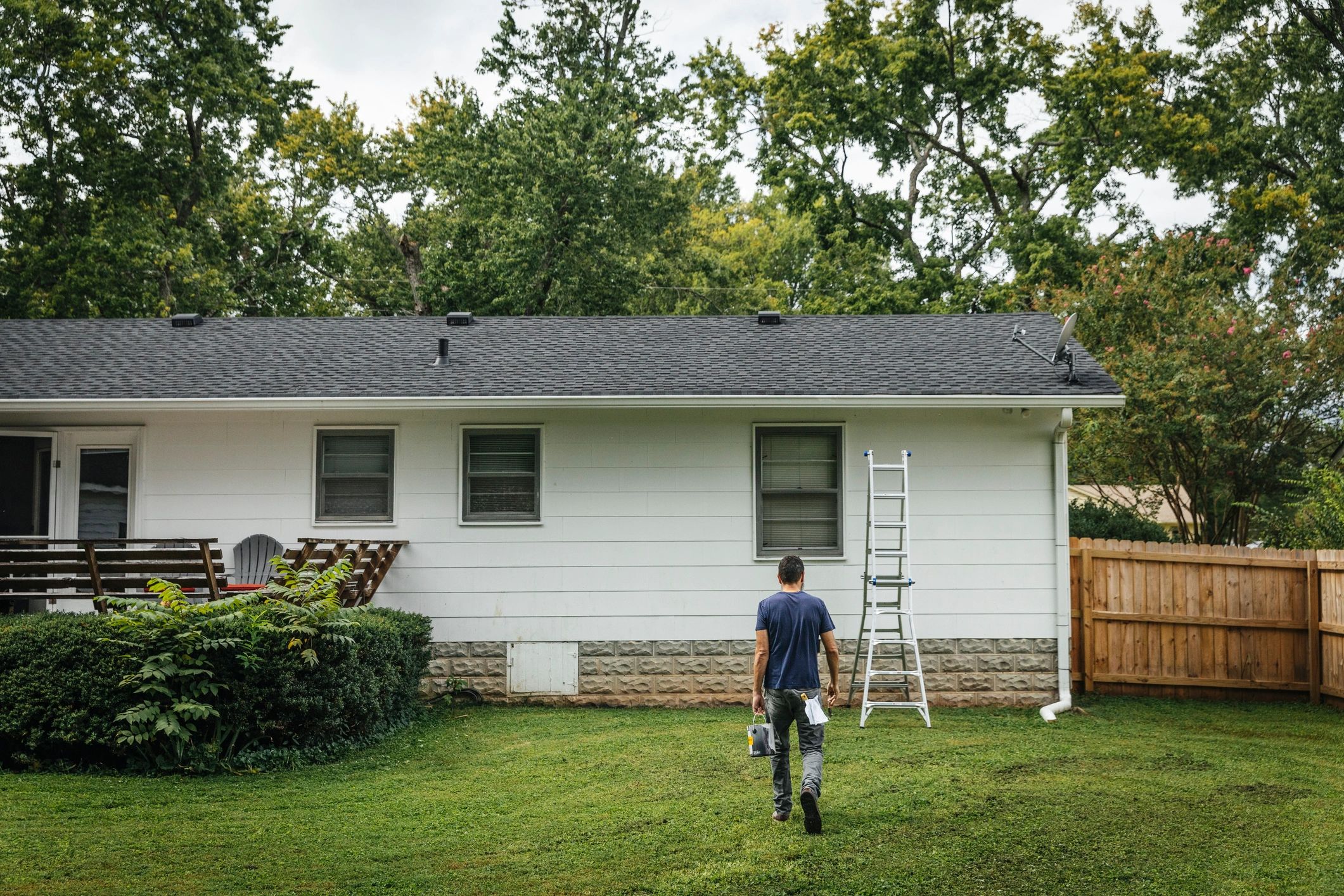
Painting the exterior of your house is one of the most noticeable improvements you can make to your home. A fresh coat of paint can dramatically improve curb appeal, but exterior painting is about much more than appearance. A properly prepared and painted exterior helps protect siding, trim, fascia, doors, and other surfaces from sun, moisture, temperature changes, and everyday weather exposure.
If you're planning to have your house painted in 2026, understanding the process beforehand can help you compare estimates, choose the right contractor, avoid unexpected costs, and know whether the job is being done correctly. This guide walks you through what homeowners should expect from start to finish.
How Do You Know When Your House Needs to Be Painted?
There isn't one universal schedule for repainting a home. How long exterior paint lasts depends heavily on your climate, the material being painted, the quality of the previous paint job, sun exposure, moisture, and the condition of the underlying surface. Instead of relying only on the age of your paint, inspect your home for signs of deterioration.
Fading is usually one of the first signs homeowners notice. Some fading is cosmetic, but significant color loss can indicate that the coating is beginning to break down.
Peeling, cracking, bubbling, or flaking paint is a more urgent warning sign. Once paint loses adhesion, the surface underneath becomes increasingly exposed to moisture and weather.
You may also notice bare wood, deteriorated caulking, chalky residue on the siding, mildew, rust around metal surfaces, or areas where the paint looks noticeably thinner.
Wood siding and trim deserve particular attention. Paint acts as an important protective layer over wood, and allowing exposed wood to remain unprotected can eventually lead to rot and more expensive repairs.

How Much Does Exterior House Painting Cost in 2026?
Exterior painting prices vary considerably from one house to another. According to Angi's updated 2026 pricing data, the average exterior house painting project is approximately $3,177, with many projects falling between roughly $1,819 and $4,551. Angi estimates exterior painting at approximately $1.50 to $4.00 per square foot of paintable surface, although larger, more complicated, or heavily deteriorated homes can cost substantially more.
Those figures should be treated as broad national benchmarks rather than a quote for your particular house. A home's price can change significantly depending on:
- Size and paintable surface area. Larger homes require more labor, paint, masking materials, ladders, and equipment.
- Number of stories. A tall two- or three-story home is generally more expensive than a single-story home because accessibility becomes more difficult.
- Condition of the existing paint. A house with extensive peeling and failing paint requires substantially more scraping and preparation than a house whose existing coating is still sound.
- Siding material. Wood, stucco, brick, fiber cement, aluminum, and vinyl all have different preparation and coating requirements.
- Amount of trim. Homes with numerous windows, shutters, fascia boards, columns, railings, decorative trim, and multiple accent colors usually require more labor.
- Repairs. Rotten boards, damaged siding, failing caulk, rust, cracks, and other defects may need to be addressed before painting begins.
- Paint quality. Premium exterior coatings generally cost more but may offer improvements in adhesion, color retention, flexibility, mildew resistance, and overall durability.
- Your location. Labor rates, material costs, climate, competition, and the length of the local painting season can all influence pricing.
One important point when comparing prices: the square footage of your house's living space is not the same thing as its paintable exterior square footage. A 2,000-square-foot house does not necessarily have 2,000 square feet of exterior surface. For homeowners, the most useful number is ultimately the written price from a reputable local painter who has actually inspected the property.
What Should Be Included in an Exterior Painting Estimate?
A good estimate should explain more than simply the final price. It should clearly identify which surfaces are being painted. For example, does the estimate include the siding, fascia, soffits, window trim, doors, garage doors, gutters, downspouts, shutters, porch ceilings, railings, and foundation? Do not assume that every painted surface visible from the street is automatically included.
The proposal should also describe the preparation work. Ideally, you'll know whether the contractor plans to wash the house, scrape loose paint, sand rough areas, repair minor defects, caulk gaps, spot-prime bare surfaces, protect surrounding areas, and apply one or two finish coats. The exact paint manufacturer, product line, sheen, and colors should eventually be documented as well.
If one contractor is substantially cheaper than another, compare the scope of work before assuming you're receiving the same service for less money. One company may be including considerably more preparation, repairs, paint, or labor.
What Happens Before Painting Begins?
Homeowners are sometimes surprised by how much work happens before the first finish coat of paint is applied. Preparation is one of the most important parts of an exterior paint job.
1. Inspection
The contractor should inspect the surfaces being painted and identify areas with loose paint, failed caulking, damaged siding, exposed wood, mildew, rust, cracks, or other problems. This is also when hidden costs sometimes appear. Paint cannot repair rotten wood or failing siding — those materials may need to be repaired or replaced first.
2. Cleaning
Dirt, dust, mildew, chalking, spiderwebs, and other contaminants can interfere with paint adhesion. Depending on the home, contractors may use pressure washing, soft washing, hand cleaning, or a combination of methods. The goal isn't simply to make the house look cleaner — it's to create a surface the new coating can properly bond to.

3. Scraping and Sanding
Loose or failing paint needs to be removed. That does not necessarily mean every square inch of the existing paint must be stripped away. Sound, well-adhered paint can often remain. Peeling edges may be scraped and sanded so that the transition between existing paint and exposed material is smoother.
4. Repairs
Damaged exterior materials should be dealt with before they disappear underneath new paint. Depending on the scope of the project, this can include replacing rotten wood, repairing cracked stucco, filling small holes, fixing damaged trim, addressing rust, or replacing deteriorated siding. Major carpentry or structural repairs may be priced separately.
5. Caulking
Exterior caulk is commonly used around gaps, joints, trim, windows, doors, and other appropriate locations to improve the finished appearance and help limit water intrusion. Old caulk that has cracked or separated may need to be removed or repaired. More caulk is not automatically better, however. Certain areas of a home's exterior are intentionally designed to drain or breathe and should not simply be sealed shut.
6. Priming
Primer is especially important over bare wood, repaired areas, stains, certain metals, masonry, and other surfaces where additional adhesion or sealing is needed. A house does not necessarily need to be completely primed every time it is repainted. On a sound previously painted surface, spot priming may be sufficient depending on the coating system being used. Your contractor should be able to explain where primer will be used and why.
What If Your House Was Built Before 1978?
This deserves special attention. Homes built before 1978 may contain lead-based paint. Sanding, scraping, cutting, and other preparation methods can create hazardous lead dust if lead-based coatings are present.
The U.S. Environmental Protection Agency recommends that homeowners planning renovation, repair, or painting work on pre-1978 homes hire contractors certified and trained in lead-safe work practices. Federal RRP requirements generally apply to paid contractors disturbing painted surfaces in qualifying pre-1978 homes.
If your home was built before 1978, ask prospective contractors specifically about EPA Lead-Safe Renovation, Repair and Painting (RRP) requirements before work starts.
Choosing Exterior Paint
You don't necessarily need to become a paint expert before hiring a contractor, but you should know what product is going on your house. High-quality water-based acrylic exterior paints are commonly used on residential exteriors because they provide good adhesion, flexibility, durability, and resistance to weather.
The best coating, however, depends on what is being painted:
- Wood siding has different needs than stucco.
- Masonry may require a breathable coating.
- Metal surfaces may need corrosion-resistant primers.
- Vinyl siding requires special attention to product and color selection. Sherwin-Williams, for example, warns that painting standard vinyl siding substantially darker than its original color can increase heat absorption and potentially cause warping unless an appropriately formulated vinyl-safe color and coating system is used.
That is one reason paint selection should be based on the actual substrate rather than simply choosing a color you like.

What Paint Sheen Should You Choose?
Exterior paint is available in several sheen levels.
- Flat or matte finishes hide surface imperfections well and are commonly used on siding and masonry.
- Low-luster, eggshell, or satin finishes provide slightly more sheen and can offer easier cleaning.
- Semi-gloss is commonly used on trim, doors, shutters, and other architectural details where greater durability and contrast are desired.
There is no single correct sheen for every house. The best choice depends on the material, architectural style, desired appearance, and paint manufacturer's recommendations. Keep in mind that higher-gloss finishes tend to make surface imperfections more noticeable.
Should Your House Get One Coat or Two?
You'll frequently hear that every exterior automatically requires two coats of paint. The reality is a little more nuanced. Two finish coats can improve coverage, color consistency, and overall film thickness, particularly when making a significant color change or painting a porous or weathered surface. However, certain premium products and repaint situations may be designed or specified differently.
Instead of relying on a blanket rule, ask exactly what your contractor's proposal includes. If two coats are promised, clarify whether that means two complete finish coats over the entire house rather than primer plus one finish coat. This is something worth establishing before signing the contract.
How Long Does It Take to Paint a House Exterior?
Many residential exterior projects can be completed within several working days, but there is no universal timeline. A relatively simple one-story house in good condition may move quickly. A large multi-story home with extensive scraping, repairs, trim work, or multiple colors can take considerably longer.
Weather is one of the biggest variables. Exterior paint needs appropriate surface temperatures and drying conditions. Rain, high humidity, extreme heat, cold temperatures, and excessive moisture can delay the job. Different paints also have different temperature and recoat requirements. Professional painters should follow the manufacturer's specifications for the particular coating being applied rather than using one temperature rule for every product.
A weather delay isn't necessarily a bad sign. In many cases, postponing painting is preferable to applying a coating under poor conditions.
Brush, Roller, or Spray: Which Is Better?
All three application methods can produce excellent results when used properly.
- Spraying is efficient for covering large exterior surfaces and can create an even finish.
- Rolling is useful on many textured surfaces and allows painters to work paint into certain substrates.
- Brushes provide control around trim, edges, corners, windows, and detailed areas.
Professional crews frequently use more than one method on the same house. A sprayed house is not automatically lower quality, and a brushed house is not automatically better. Surface preparation, correct application rate, proper technique, coating thickness, and the skill of the painter matter far more than the tool alone.

What Should Homeowners Do Before the Painters Arrive?
Your contractor should explain what they need from you, but a little preparation can make the project easier:
- Move vehicles away from the house.
- Remove fragile decorations from walls and porches.
- Bring in outdoor furniture, grills, planters, and other belongings located close to work areas when possible.
- Trim shrubs or branches that are pressed directly against siding if the contractor requests it.
- Make sure painters know about sprinkler schedules, pets, alarm systems, locked gates, and any areas requiring special access.
Exterior painting can also involve ladders, equipment, pressure washers, drop cloths, masking materials, and workers moving around the property throughout the day. Expect some temporary disruption while the project is underway.
How Should Landscaping, Windows, and Property Be Protected?
A professional painting company should have a plan for protecting areas that are not being painted. This may involve drop cloths, plastic, masking paper, painter's tape, protective coverings, or temporary removal of certain fixtures.
Windows, roofing, concrete, decks, plants, outdoor furniture, lighting fixtures, and nearby vehicles should be protected appropriately during preparation and application. If spraying will be used, property protection becomes especially important because overspray can travel farther than many homeowners expect. Ask the contractor about their protection process before work begins.
What Should You Inspect When the Job Is Finished?
Before making the final payment, walk around the house with the contractor. Look at the house from a normal viewing distance as well as up close.
- Check for consistent color and coverage.
- Look around windows, doors, trim, corners, and transitions between colors.
- Make sure obvious drips, runs, overspray, unpainted areas, and masking materials have been addressed.
- Confirm that the agreed-upon repairs and surfaces listed in the contract were completed.
Small touch-ups at the end of a project are normal. A professional contractor should expect to perform a final walkthrough and address legitimate punch-list items.

Ask About Leftover Paint
It is worth keeping a small quantity of each paint color used on your home. Ask the painter to label the cans with the color name, color code, product, sheen, and the surface where it was used. That information can be extremely helpful several years later when you need to touch up a repaired board, door, trim section, or other small area. Keep in mind that stored paint and paint already exposed to years of sunlight may not match perfectly forever.
Understand the Warranty Before You Sign
Exterior painting warranties vary tremendously. Some contractors offer relatively short workmanship warranties, while others advertise warranties lasting many years. The number of years isn't the only thing that matters.
Read what the warranty actually covers. For example, a warranty might cover peeling caused by improper application but exclude fading, hail damage, moisture problems, rotten wood, structural movement, horizontal walking surfaces, previously failing coatings, or damage caused by leaks. A shorter warranty with clearly defined coverage may be more meaningful than an impressive-sounding long warranty filled with exclusions.
You should also understand whether the warranty covers both labor and materials and whether it is transferable if you sell the home.
How to Compare Exterior Painting Contractors
Price matters, but it shouldn't be the only factor. Compare contractors based on the completeness of their proposals, reputation, communication, insurance, experience with your particular siding material, preparation process, paint products, warranty, and how clearly they answer your questions.
Ask what is included and what is not. Find out:
- What preparation will be performed?
- What repairs are included?
- What paint and product line will be used?
- How many coats are included?
- Which surfaces are included in the price?
- Who will supervise the project?
- How will landscaping and property be protected?
- How will unexpected repairs or additional work be priced?
- What does the warranty cover?
- When is payment due?
A professional contractor should be comfortable answering these questions.
The Cheapest Estimate Isn't Always the Cheapest Paint Job
Exterior painting is unusually dependent on labor and preparation. Two contractors can technically agree to "paint the house" while planning two very different projects.
One may spend significant time cleaning, scraping, sanding, caulking, repairing, masking, spot-priming, and applying the proper amount of premium paint. Another may perform minimal preparation and apply a less expensive coating as quickly as possible. Both houses can look good immediately after completion. The difference may not become obvious until months or years later.
When comparing estimates, focus on what is being done to your house, not simply the number at the bottom of the proposal.
What a Good Exterior Paint Job Should Accomplish
A professional exterior paint job should accomplish three things. First, it should make your house look better. Second, it should create a durable protective coating over the surfaces being painted. Third, it should correct or identify minor exterior problems before they become more serious.
Paint itself is not a cure for rotten siding, water intrusion, structural movement, or other underlying problems. The best exterior painting projects combine proper repairs, careful preparation, appropriate materials, and skilled application.
Final Thoughts
Having your house painted doesn't need to be confusing. The biggest mistake homeowners make is focusing almost entirely on paint color and price while overlooking preparation and scope of work.
Before hiring a painter in 2026, make sure you understand exactly what will be cleaned, repaired, scraped, caulked, primed, and painted. Know which paint products will be used, how many coats are included, which surfaces are covered, and what the warranty actually says. A well-prepared, properly painted exterior can protect your home and look great for years — and choosing the right contractor is the most important decision in making that happen.
Explore Topics
Written by
Chandler Zieg
Former house painter and painting business owner. Owns PainterChoice where he helps painting contractors grow through digital marketing.